

Chase’s story
You Can’t Change What You’ve Done. But You Can Change Who You Become.
I know what it’s like to face the consequences of betrayal, struggle with shame, and wonder whether the relationship you’ve damaged can ever feel safe again.
I’m Chase Fayle.
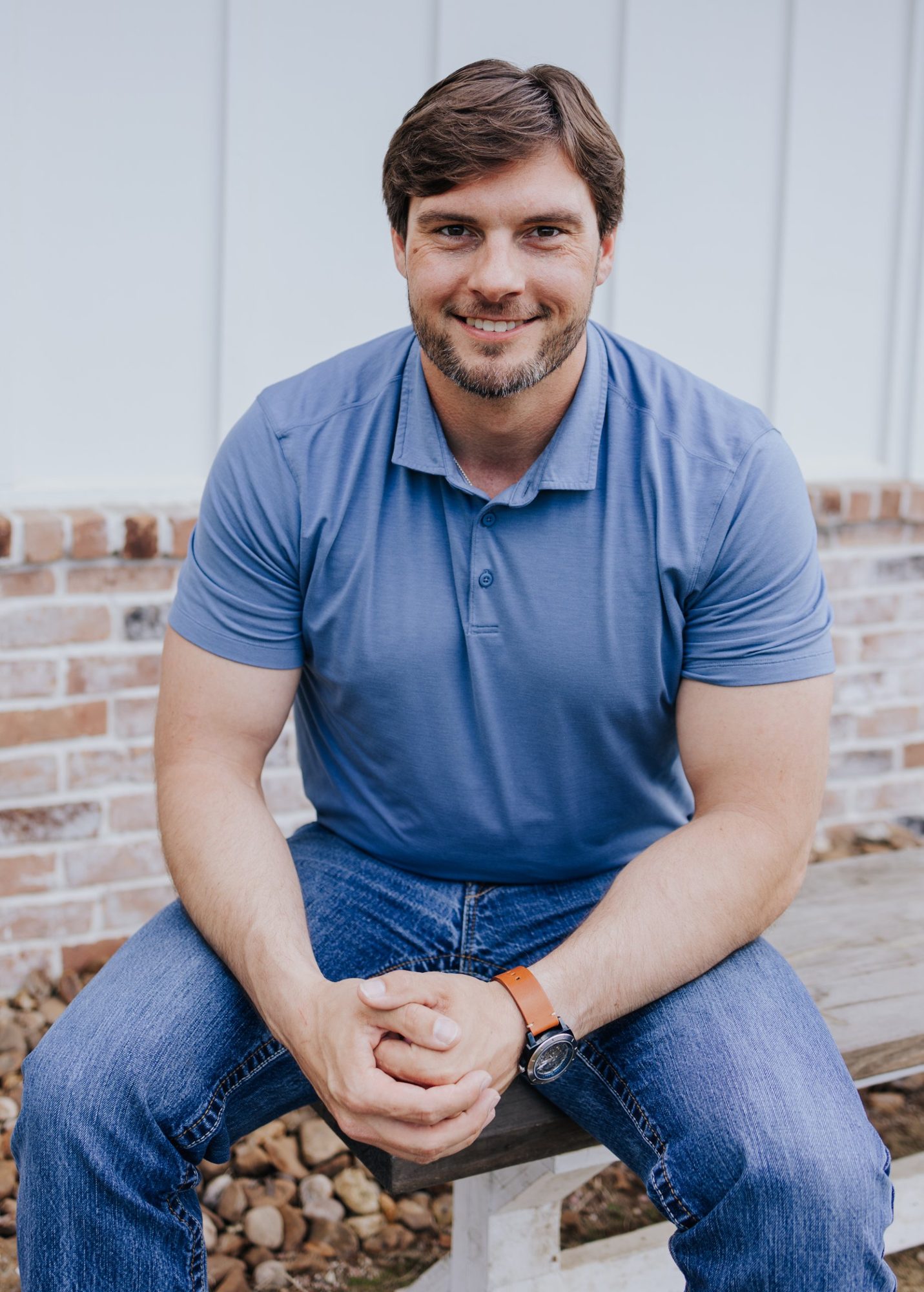
I’m a husband of 20 years, a father, and a relationship recovery coach who understands the difficult work of confronting the choices that have damaged trust.
But long before I began helping others navigate betrayal recovery, I had to confront the consequences of my own choices.
I know what it’s like to love someone and still make decisions that hurt them deeply.
I know what it’s like to want things to get better without understanding what real change requires.
And I know that becoming a safer partner takes more than regret, apologies, or promises that things will be different.
It requires a willingness to look honestly at yourself.
My story
I Thought Coming Clean Would Be the Hardest Part.
There was a time in my life when I was living with secrecy in my relationship.
I loved my wife. I cared about our family. And yet, I was making choices that violated the trust and commitment our relationship was supposed to be built upon.
Looking back, I understand something I couldn’t fully recognize at the time.

You can love someone and still behave in ways that are deeply harmful to them.
Love doesn’t excuse those choices. And it doesn’t erase their consequences.
When the truth about my betrayal came into the light, part of me felt something I hadn’t expected.
Relief.
The secrecy was finally exposed. I no longer had to continue carrying what I’d been hiding.
But that relief came with a devastating realization.
The moment I began experiencing freedom from secrecy was the moment my wife began experiencing a prison of fear, confusion, and pain.
I was facing the consequences of my choices. She was facing the destruction of the safety she’d believed existed in our relationship.
And I had no idea how to help her through something I had caused.

I Wanted Her to Heal. But I Didn’t Understand What Healing Required of Me.
I wanted Katie to feel better. I wanted our relationship to survive. I wanted to believe that if I was honest moving forward, things would eventually return to normal.
But betrayal doesn’t work that way.
There were questions I didn’t always know how to answer. There were triggers I didn’t understand. There were conversations that seemed to bring us right back to the beginning, even when I believed we had been making progress.
And there were moments when my own shame made it difficult to remain emotionally present.
I struggled with defensiveness. I struggled with knowing how to respond to the pain I was seeing. And sometimes, instead of helping Katie feel safer, my reactions created even more distance between us.
I didn’t understand that my desire to move forward wasn’t the same as her ability to feel safe moving forward.
I didn’t understand why reassurance sometimes seemed to help and other times didn’t. And I didn’t understand that rebuilding trust would require me to learn how to respond differently when things became uncomfortable.
Maybe you recognize some of that.
Maybe you’ve apologized more times than you can count.
Maybe you’re frustrated because you believe you’re making changes, but your partner still struggles to trust you.
Maybe you find yourself becoming defensive when the betrayal comes up again.
Or maybe you genuinely want to change but don’t know how to become the person your partner needs you to be.
I remember that confusion.

Shame Wasn’t the Same as Accountability.
One of the most difficult things I had to learn was that feeling terrible about what I’d done wasn’t the same as taking responsibility for it.
Shame could leave me overwhelmed by my own emotions. It could make me want to defend myself, explain my intentions, or escape conversations that reminded me of the pain I’d caused.
But Katie didn’t need me to prove how badly I felt. She needed to experience something different from me.
Honesty.
Consistency.
Emotional responsiveness.
The ability to remain present when she was hurting.
I had to learn that my discomfort couldn’t become another burden she was responsible for carrying.
That meant recognizing when I was becoming defensive. It meant learning how to listen without immediately trying to explain myself.
It meant understanding that her questions and emotional responses weren’t necessarily attacks against me. They were often expressions of the fear and uncertainty that betrayal had created.
And it meant accepting that I couldn’t determine how quickly she should heal simply because I wanted things to feel better.
I had to stop focusing only on whether she trusted me.
I had to begin asking whether I was consistently behaving in ways that made trust possible.
Becoming a Safer Partner Required Me to Change.
For a long time, I thought recovery was primarily about leaving the betrayal behind.
But I eventually began understanding that real change required me to look at the patterns, choices, and emotional responses that had contributed to the damage in our relationship.
I had to become more aware of how I handled uncomfortable emotions. I had to learn how defensiveness affected our connection. I had to understand that emotional withdrawal could communicate abandonment to someone who was already struggling to feel safe.
And I had to learn that integrity wasn’t simply about what I did when someone was watching.

It was about the choices I made when no one else knew.
As Katie and I began understanding betrayal trauma and attachment, I started recognizing things about our relationship that I hadn’t understood before.
I began learning why emotional safety mattered so much. Why consistency was essential. And why rebuilding trust required more than avoiding the behaviors that had caused the betrayal.
It required becoming emotionally available in ways I hadn’t always known how to be.
Today, when Katie is hurting or needs reassurance, I understand that my response matters.
There are still moments when I’m tired, stressed, or don’t have the emotional capacity to immediately engage in a difficult conversation. But I’ve learned that I can communicate that without abandoning the connection. I can acknowledge that I need time to gather myself while also reassuring her that I want to return to the conversation.
That may sound simple. But learning how to remain connected when things are uncomfortable has been one of the most meaningful changes in our marriage.


If you’re finding yourself in my story, you don’t have to wait until the end to reach out.
Schedule a Free Consultation
Twenty Years of Marriage Have Taught Me Something About Integrity.
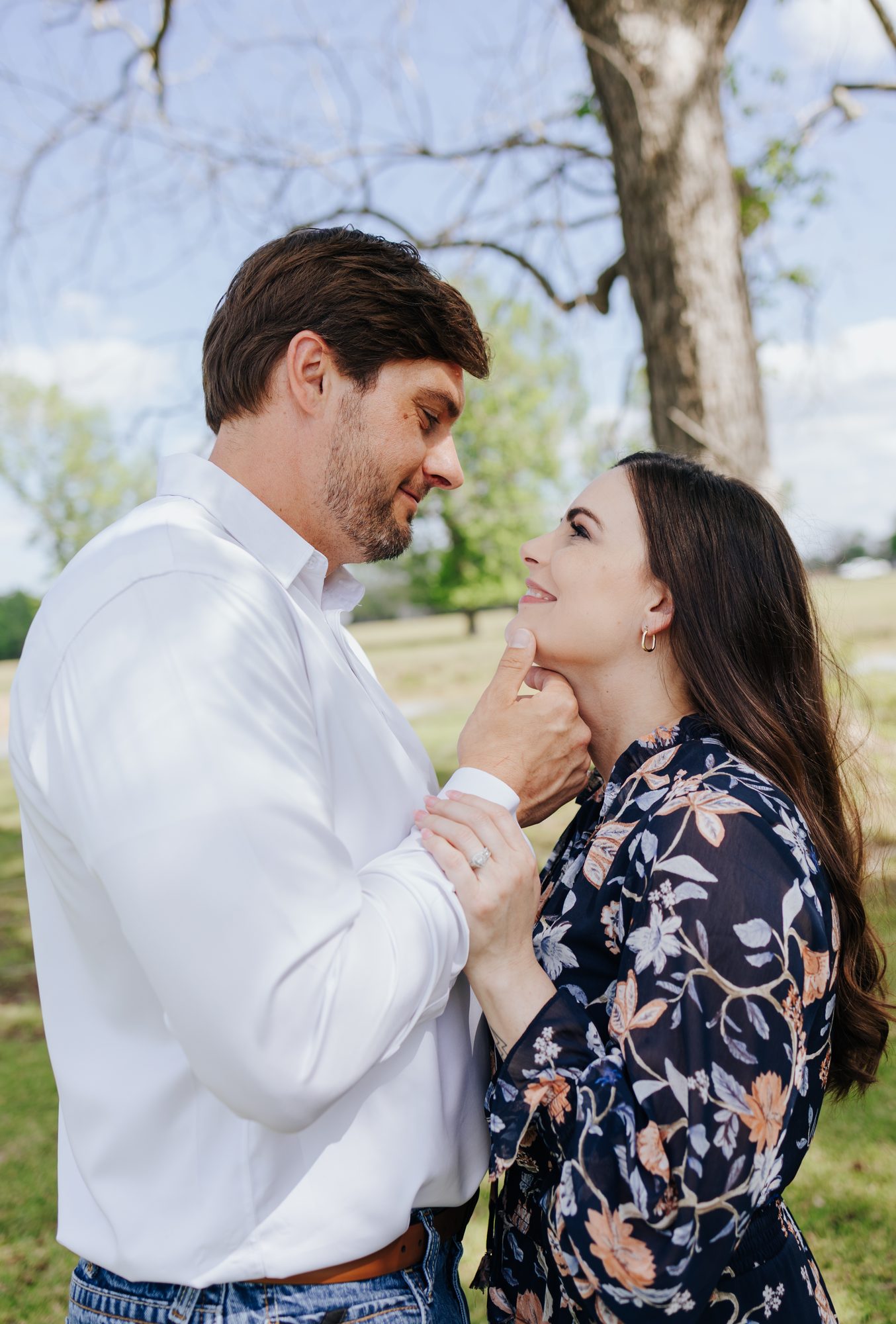
Katie and I have now been married for 20 years. We’re still best friends.
But the relationship we have today didn’t happen because we simply waited for the pain to disappear. We had to learn how to build something different.
We had to confront patterns that were damaging our connection. We had to understand how our individual attachment histories influenced the way we responded to each other. And we had to recognize that protecting our relationship required intentional choices from both of us.
Our faith played an important role in that journey. It gave us hope when we couldn’t see what was ahead and challenged me to examine the kind of man, husband, and father I wanted to become.
Today, integrity means more to me than avoiding betrayal.
It means living honestly.
Being accountable.
Recognizing how my choices affect the people I love.
And remaining committed to protecting the emotional safety of my relationship.



Why I Help Others Who Have Betrayed Their Relationships.
When someone comes to me after betraying their partner, I understand that they may be carrying emotions they don’t know how to manage.
Sometimes even frustration because they don’t understand why their efforts to make things better aren’t working.
I recognize those struggles because I’ve experienced them.
And I know how difficult it can be to confront the parts of yourself you’d rather avoid. But I also know that avoiding those things doesn’t create change.
That’s why I’m passionate about helping individuals understand the patterns and behaviors that have contributed to betrayal.
Through my personal experience and years of working with men navigating relationship challenges, accountability, and recovery, I’ve learned how important it is to create a space where someone can be honest without using shame as a reason to remain stuck.
I believe people need both compassion and accountability.
They need to understand the impact of their choices. They need to recognize the ways defensiveness, secrecy, emotional withdrawal, and avoidance can continue damaging trust. And they need practical ways to begin developing greater emotional awareness, honesty, and integrity.
My goal isn’t to help someone find the right words to convince their partner they’ve changed. It’s to help them begin doing the work that makes genuine change possible.
You Don’t Have to Know Whether Your Relationship Will Survive to Begin Taking Responsibility.
Maybe you’re reading this because your partner has discovered a betrayal. Maybe you’ve been trying to rebuild trust, but every conversation seems to end in another argument. Maybe you’re overwhelmed by shame and don’t know how to respond to the pain you’ve caused.
Or maybe you’ve reached a point where you recognize that something within you needs to change, regardless of what happens to your relationship.
I want you to understand something.
You can’t control whether your partner chooses to stay. You can’t determine how quickly they should heal. And you can’t undo the choices that brought you here.
But you can begin taking responsibility for what happens next.
You can learn to recognize the patterns that have influenced your decisions. You can develop greater emotional awareness. You can learn how to respond without becoming defensive. And you can begin building a life that reflects the honesty and integrity you want to live by.
Your partner’s healing is their journey. Your responsibility for change is yours. And you don’t have to figure out how to begin that work alone.
What working with Chase can look like
You Don’t Have to Stay Stuck in Shame, Defensiveness, or the Patterns That Brought You Here.
My individual relationship recovery coaching is designed for people who are ready to take an honest look at themselves and begin making meaningful changes.
Together, we’ll explore the emotional patterns, beliefs, and behaviors that may have contributed to betrayal or ongoing disconnection.
Private coaching with Chase
$1,500
for the full 3-month package
Prefer to pay monthly? Payment plans through Klarna and Afterpay are available at checkout.
6 private sessions, twice a month
Personalized implementation weeks between sessions
Voxer and email access between sessions
Both courses included
Starts with a free 15-minute consult call.
We’ll focus on developing greater self-awareness, strengthening accountability, understanding emotional responses, and learning how to communicate without allowing shame or defensiveness to take over. We’ll also explore how attachment patterns can influence the way you respond to conflict, vulnerability, and emotional closeness.
This work isn’t about finding a way to make your partner forgive you. And it isn’t about learning what to say so your relationship can return to normal.
It’s about understanding yourself more deeply and taking responsibility for becoming someone who lives with greater honesty, emotional awareness, and integrity.
Because meaningful change requires more than wanting a different outcome. It requires being willing to do something different.

You Can’t Rewrite the Past. But You Can Begin Changing What Happens Next.
If you’ve found yourself in my story, I’d welcome the opportunity to meet you.
You don’t have to come into our first conversation knowing exactly what to say.
You don’t have to pretend you have everything figured out.
And you don’t have to convince me that you’re a good person who’s made mistakes.
What matters is whether you’re willing to begin looking honestly at yourself and taking responsibility for the changes you want to make.
I’ve experienced how difficult that process can be. And I also know how meaningful it can become when someone stops running from uncomfortable truths and begins learning how to live differently.
Whether your relationship survives or not, the work you do on yourself matters.
Let’s begin with a conversation about where you are, what you’re struggling with, and what moving forward with greater integrity could look like.
Resilient Relationship Coaching, LLC
Kathryn Fayle, MA, LPC, NCC, CSAT · Chase Fayle
Coaching disclaimer: Resilient Relationship Coaching, LLC provides coaching and education only. Coaching is not counseling, therapy, psychotherapy, or mental health treatment, and it is not a substitute for any of these. Our coaches do not diagnose or treat any mental health condition, and no clinical or counseling relationship is created by purchasing a course or coaching package. If you are in crisis or thinking about harming yourself, call or text 988 (Suicide & Crisis Lifeline in the U.S.) or call 911.
© 2026 Resilient Relationship Coaching, LLC