

Katie’s story
I Know What It’s Like to Love Someone You No Longer Feel Safe With.
And I know how frightening it can be to wonder if you’ll ever feel like yourself again.
I’m Katie Fayle.
I’m a wife of 20 years, a mother, a betrayal trauma recovery coach, and someone who knows firsthand what betrayal can do to the person on the receiving end of it.
But long before I began coaching others through betrayal trauma, I lived it personally.
And there was a time when I didn’t recognize the woman I’d become.
My story
I Thought I’d Found My Safe Place.
Growing up, there were things I longed for emotionally that I didn’t always experience. So when I met Chase, I felt like I’d found something I’d been searching for.
He was my best friend.
He was the person I wanted to tell everything to, the person I wanted beside me when life became difficult, and the person I believed I could trust with the most vulnerable parts of myself.
But there were moments in our relationship that I couldn’t explain. Sometimes we were incredibly connected. Other times, I could feel an emotional distance between us that didn’t make sense.

I didn’t understand where it came from. And when you love someone deeply, it’s easy to begin looking inward for an explanation.
Am I expecting too much?
Am I being too sensitive?
Why do I feel disconnected when everything seems like it should be okay?
What I didn’t understand then was that secrecy had already begun affecting the emotional safety of our relationship. I was experiencing the disconnection, but I didn’t have the information I needed to understand it.

Then Came the Day Everything Changed.
When I discovered the betrayal, I remember feeling as though my entire world had collapsed.
It’s difficult to explain what happens when the person you’ve trusted with your heart becomes the source of your deepest pain.
My mind couldn’t make sense of it. My body didn’t know what to do with it. And the future I’d imagined suddenly felt uncertain.
But perhaps the most confusing part was this:
The person I desperately wanted to run to for comfort was the very person I no longer felt safe running toward.
I wanted to be close to my husband. I wanted him to hold me, reassure me, and somehow make the pain stop. But closeness also brought fear.
I loved him. And I was afraid of him hurting me again.
I didn’t know how those two things could exist at the same time.
Maybe you know that feeling.
Maybe you find yourself reaching for your partner one moment and pulling away the next.
Maybe you’re exhausted from asking questions, searching for reassurance, or trying to understand how someone you love could make choices that caused so much pain.
Maybe you’ve started wondering whether the way you’re responding means something is wrong with you.
I remember that confusion. And I wish someone had helped me understand what was happening.

I Didn’t Know Betrayal Could Change the Way I Experienced Myself.
Before I understood betrayal trauma, I didn’t understand why I couldn’t simply decide to move forward. I wanted to heal. I wanted to stop hurting. I wanted to trust again. But wanting those things didn’t make them happen.
There were triggers I didn’t know how to manage. There were conversations I desperately needed to have that seemed to leave us feeling more disconnected. There were moments when I questioned whether our marriage could survive.
And underneath all of it was a painful question:
How do I know when I’m safe again?
I didn’t have the language for what I was experiencing.
I didn’t understand how betrayal could affect my nervous system, my attachment needs, or my ability to trust my own perceptions. I didn’t understand why reassurance could help in one moment and seem to disappear in the next. And I certainly didn’t understand that the healing process wasn’t going to follow a simple timeline.
I was trying to recover from something I hadn’t yet learned how to understand.
The Moment I Realized Something Had to Change.
There came a point when I could no longer carry the emotional weight of disconnection that I hadn’t created.
I had spent so much energy trying to understand what was happening between us. Trying to find the right words. Trying to explain why I was hurting. Trying to figure out what I needed so we could move forward.
But I began to understand something that changed the direction of my healing.
I could take responsibility for my healing without taking responsibility for the betrayal.
Those were two very different things.
I didn’t cause the choices that had broken trust in our relationship. I couldn’t do Chase’s work for him. And I couldn’t make our relationship safe through my efforts alone.
But I could begin understanding what had happened to me.
I could learn to recognize my emotional responses without judging myself for having them. I could begin identifying what safety, honesty, and consistency needed to look like in my relationship.
That was a significant shift. Because for so long, I had been trying to figure out how to save the relationship.
I also needed to understand how to care for the person who had been hurt within it.
Me.

And I could learn that having needs didn’t make me too much.

Healing Changed the Way I Understood Love, Trust, and Myself.
As I began learning more about betrayal trauma and attachment, I started to understand experiences that had once left me feeling confused.
I learned why emotional safety matters so deeply after betrayal. I began recognizing how my own attachment history influenced the way I experienced disconnection.
And I learned that healing didn’t mean I would never feel afraid again. It meant developing a different relationship with that fear.
Today, Chase and I have been married for 20 years. We’re still best friends.
But the relationship we have today required us to learn things we didn’t understand when we first began our recovery.
We had to learn how to have difficult conversations without allowing defensiveness and withdrawal to create more distance. We had to learn how to recognize one another’s emotional needs. And I had to learn that I could speak honestly about my fears without hiding them to keep the peace.
I no longer believe emotional safety means never experiencing discomfort. I believe it means knowing that difficult emotions can be acknowledged, that honesty matters, and that both people are willing to take responsibility for protecting the relationship.
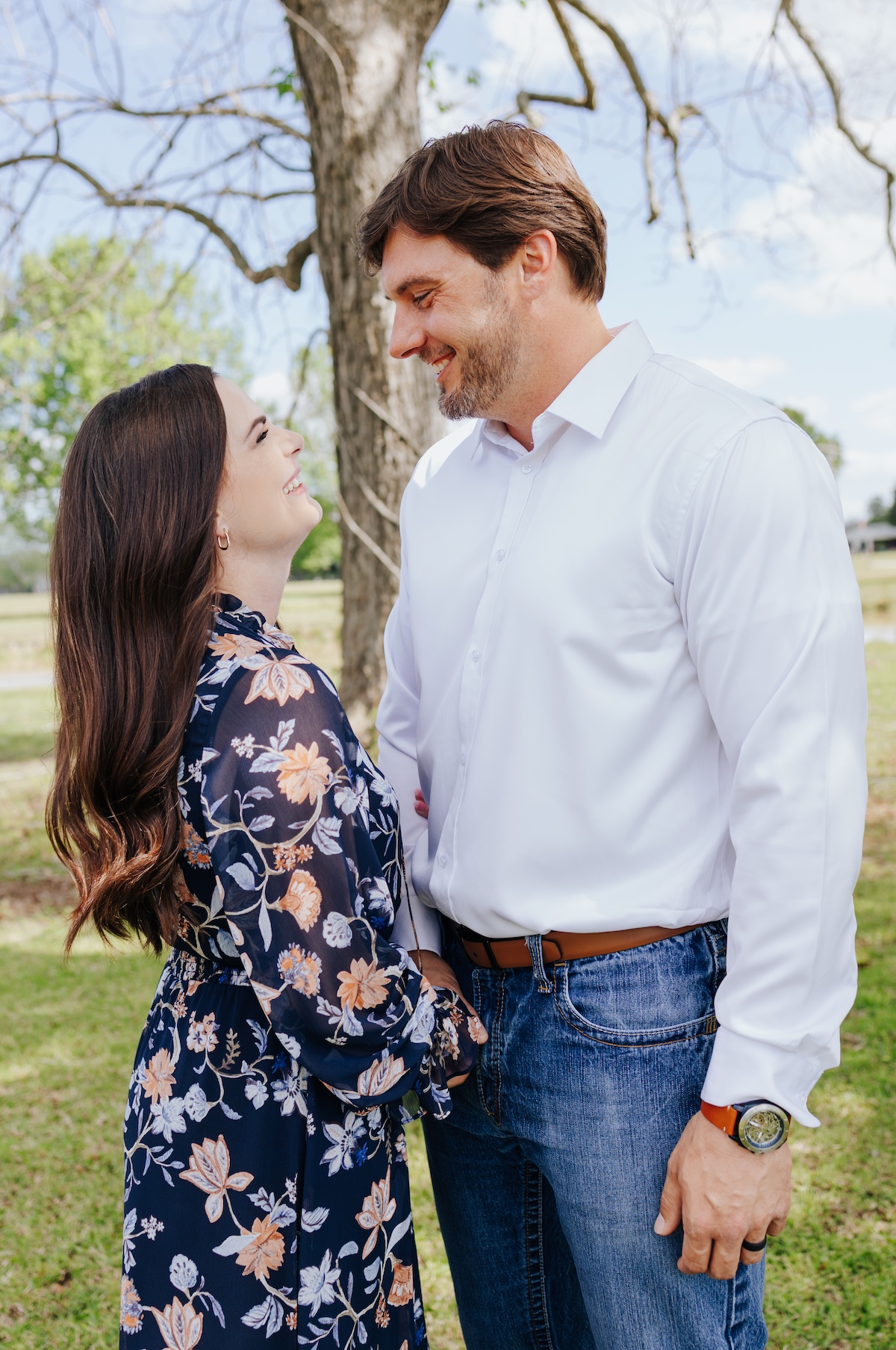

That understanding changed my marriage. But it also changed the way I understood myself.
If you’re finding yourself in my story, you don’t have to wait until the end to reach out.
Schedule a Free ConsultationWhy I Do This Work Today.
When I sit across from someone who’s experiencing betrayal, there’s something I recognize long before we begin talking about coping skills or recovery plans.
It’s the exhaustion.
The confusion.
The desire to understand what happened.
The fear of making the wrong decision.
And sometimes, the quiet shame of wondering why they can’t seem to move forward.
I recognize it because I remember it.
And I also know what it’s like to search desperately for someone who can explain what’s happening when your emotions seem to make no sense. That’s why this work matters so deeply to me.
Today, I’ve dedicated much of my work to understanding betrayal trauma, attachment, and relationship recovery. My training has given me a deeper understanding of the experiences I once struggled to make sense of personally.
But my personal journey reminds me that behind every explanation is a person who’s trying to figure out how to live with something they never expected to experience. And that person deserves to be understood.
You Don’t Have to Know Whether You’re Staying or Leaving to Begin Healing.
I want you to hear that.
You don’t have to make a decision about the future of your relationship before you begin taking care of yourself. You don’t have to wait until your partner understands everything you’re experiencing. You don’t have to have the right words to explain your pain. And you don’t have to pretend you’re doing better than you are.
Maybe you’re still trying to understand what happened. Maybe you’re struggling with triggers that seem to come out of nowhere. Maybe you’re questioning your own judgment because the person you trusted wasn’t who you believed them to be in certain moments.
Or maybe you’re simply tired. Tired of thinking about it. Tired of wondering. Tired of feeling like your emotions are controlling your life.
I understand how overwhelming that can feel. And I want you to know that your healing deserves attention, regardless of what happens next in your relationship.
What working with me can look like
Your Healing Deserves Attention, Too.
My individual betrayal recovery coaching is designed to provide education, reflection, and practical support as you begin understanding your experience and identifying what you need moving forward.
Together, we can explore how betrayal has affected your sense of safety, how your attachment patterns may influence your responses to disconnection, and what it means to begin rebuilding trust in yourself.
We’ll talk about boundaries, emotional needs, relationship patterns, and the difference between taking responsibility for your own healing and carrying responsibility that doesn’t belong to you.
Private coaching with Katie
$1,500
for the full 3-month package
Prefer to pay monthly? Payment plans through Klarna and Afterpay are available at checkout.
6 private sessions, twice a month
Personalized implementation weeks between sessions
Voxer and email access between sessions
Both courses included
Starts with a free 15-minute consult call.
My goal isn’t to tell you whether you should stay or leave. It’s to help you become more informed, more connected to your own needs, and better equipped to make decisions that reflect your values.
Because your story matters, too. And you deserve support as you begin writing what comes next.

Before You Make Another Decision About Your Relationship, Let’s Talk About You.
If you’ve found yourself in my story, I’d love the opportunity to meet you.
Not because I have a perfect formula for healing. And not because I can promise you what your relationship will look like on the other side of betrayal.
But because I understand how difficult it can be to find your footing when everything you believed was secure suddenly feels uncertain.
You don’t have to come to our first conversation with everything figured out.
You can come with questions.
You can come feeling confused.
You can come unsure of what you need.
Let’s begin with a conversation about where you are, what you’ve been carrying, and what support might look like for you.
Resilient Relationship Coaching, LLC
Kathryn Fayle, MA, LPC, NCC, CSAT · Chase Fayle
Coaching disclaimer: Resilient Relationship Coaching, LLC provides coaching and education only. Coaching is not counseling, therapy, psychotherapy, or mental health treatment, and it is not a substitute for any of these. Our coaches do not diagnose or treat any mental health condition, and no clinical or counseling relationship is created by purchasing a course or coaching package. If you are in crisis or thinking about harming yourself, call or text 988 (Suicide & Crisis Lifeline in the U.S.) or call 911.
© 2026 Resilient Relationship Coaching, LLC